
Prompt examples
FLUX 3 Klein Prompts
Twenty-four prompts for FLUX 3 Klein in six categories, each shown next to the image it produced on this site at 1K. Copy one and run it as it stands, or use the notes to write your own. The prompts are the exact English text sent to the model, and the four editing examples come with the reference image they started from.
This box opens the generator with FLUX 3 Klein. Pick one of the three chips below to drop a prompt from this page into the text field, or type your own.
How to write a FLUX 3 Klein prompt
This model is trained on full scene captions, and Black Forest Labs warns that short prompts come back generic — the reason FLUX 3 Klein ships with a prompt upsampler. Write the scene instead of naming it; these six habits are what the examples below share.
Say what is in the frame
Name the subject, its material and its condition, then add the two or three things around it: "a pair of white leather sneakers, laces neatly tied".
Describe the framing
How close, which lens, at what angle. A 50mm straight-on product shot, an 85mm portrait and a wide view with straight verticals push one subject in three directions.
Describe the light
Direction, quality and time of day carry the mood: soft morning window light from the left, low warm sunlight raking in from the right, or flat overcast light.
Put every word in quotes
Headlines, titles, dates and labels go inside quotation marks and stay short. Spell them exactly as you want them printed, then read the output letter by letter before publishing.
Choose the ratio, then fill it
Fifteen ratios from 1:1 to 21:9. Write for the frame you picked and say what the empty part should be: "the top third is empty cream sky".
For edits, point at your references
Attach up to three images, address them as <ref_image_1> to <ref_image_3>, describe the finished picture, then finish with what must not change.
24 FLUX 3 Klein prompts and the images they made
Six categories, one 1K output each, every image generated on this site from the prompt beside it. Copy a prompt or open it in the generator with the ratio it was written for. The four editing prompts need an image of your own: the reference each started from is shown next to the result.
Product photography
Studio and location shots of single objects. Say what the object rests on, where the light comes from, and whether you want a soft shadow.
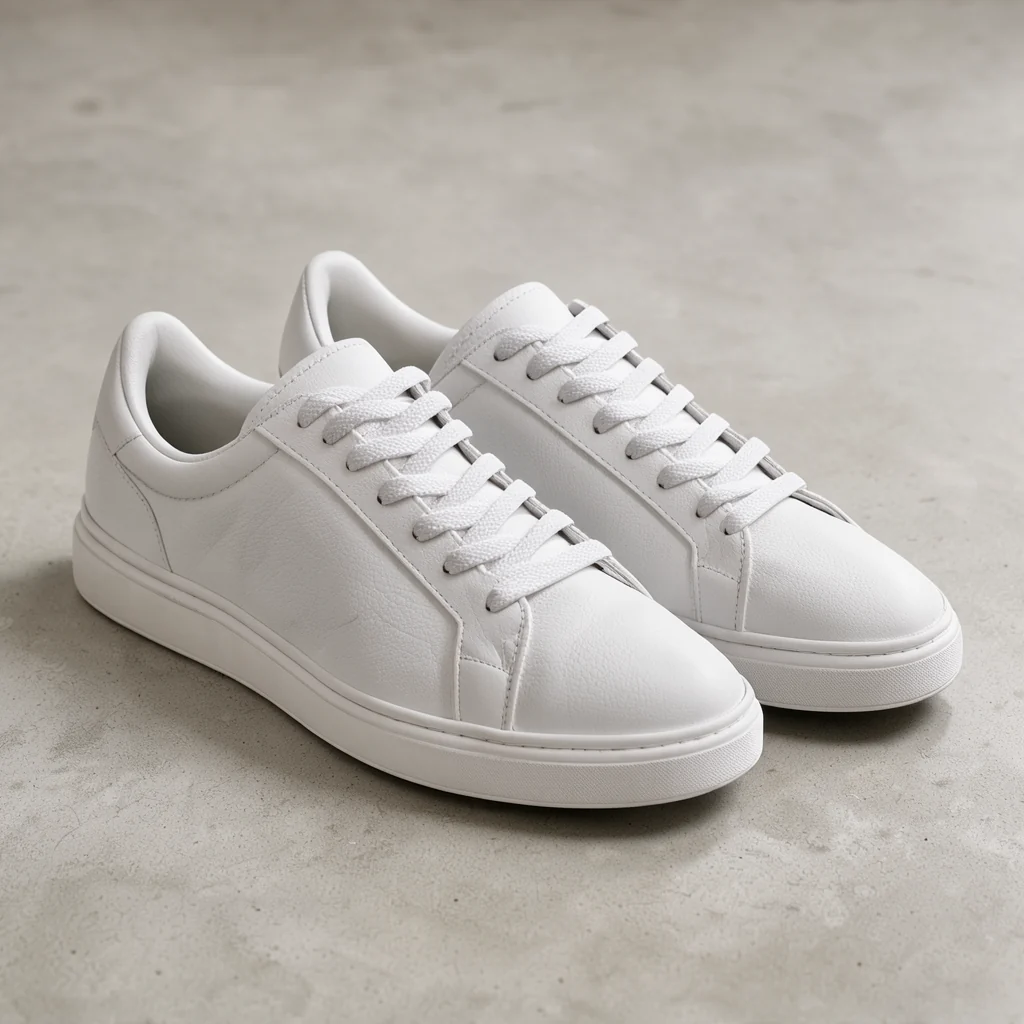
White leather sneakers
Why it works
One object, one surface, one light: the simplest catalogue brief.
Prompt
Studio product photograph of a pair of white leather sneakers on a pale grey concrete surface, soft light from the upper left, laces neatly tied, a light shadow beneath, clean minimal background, 50mm lens, visible leather grain.
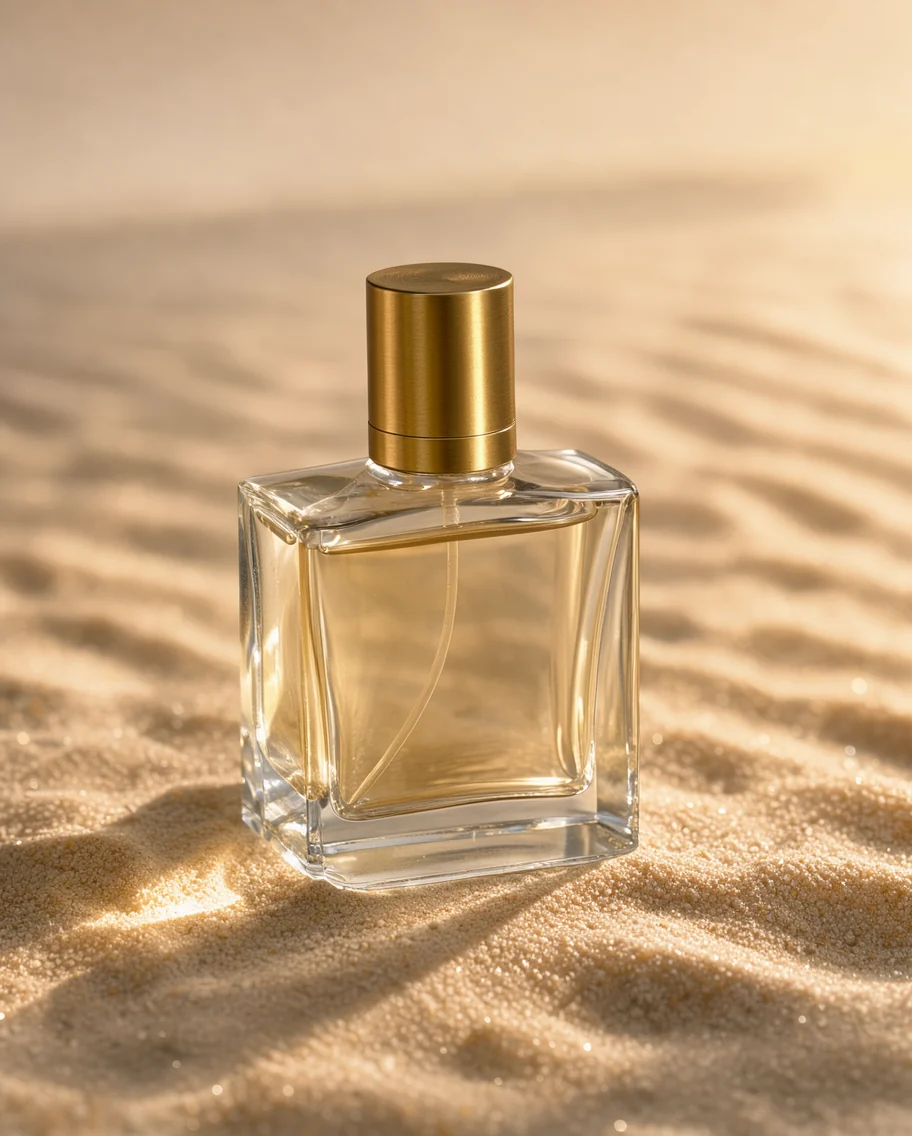
Perfume bottle on sand
Why it works
Low sunlight from one side makes glass look expensive.
Prompt
Commercial photograph of a clear glass perfume bottle with a brushed brass cap on a rippled sand surface, low warm sunlight raking from the right, long soft shadow, pale beige background, macro detail on the glass edge.
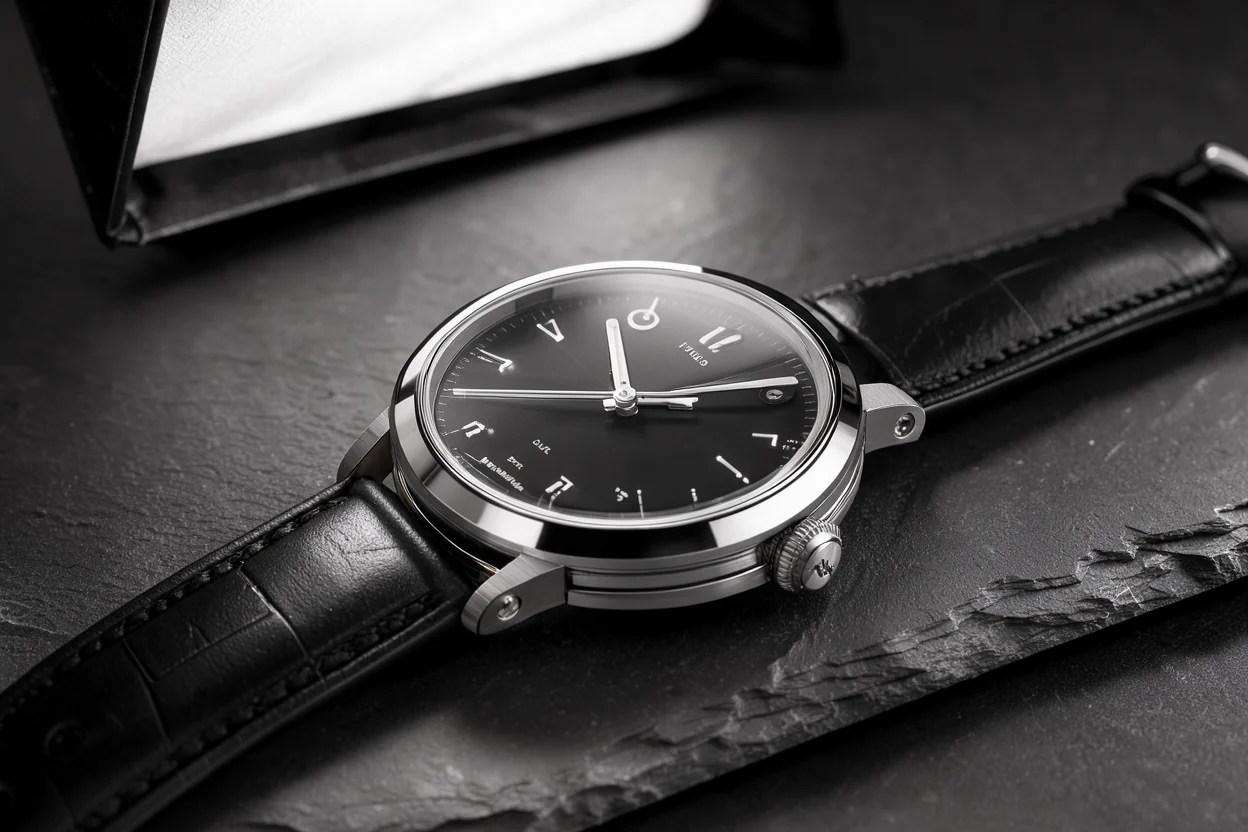
Watch on dark slate
Why it works
One softbox above, deep shadows, a macro note for a crisp case.
Prompt
Product photograph of a stainless-steel wristwatch with a black leather strap lying on dark slate, a single softbox light from above, crisp reflections on the case, deep shadows, luxury catalogue styling, 100mm macro lens.
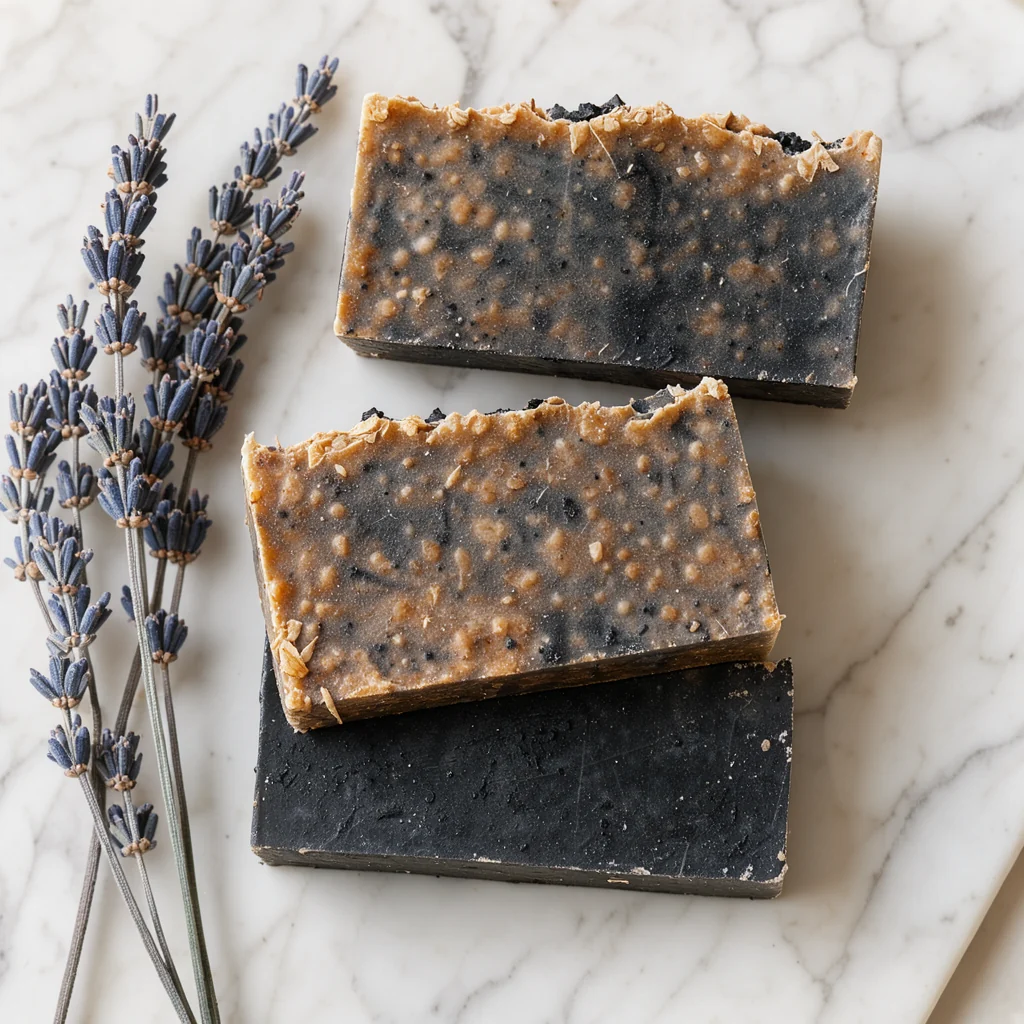
Stacked soap bars
Why it works
Top-down framing suits flat objects; two textures stop it reading generic.
Prompt
Top-down photograph of three stacked bars of handmade soap on a white marble slab, oatmeal and charcoal textures, a sprig of dried lavender beside them, bright even daylight, packaging-free product shot.
Posters and text
Printed posters, covers, banners and menu boards. Keep the wording short and in quotes, and check every small line of type.
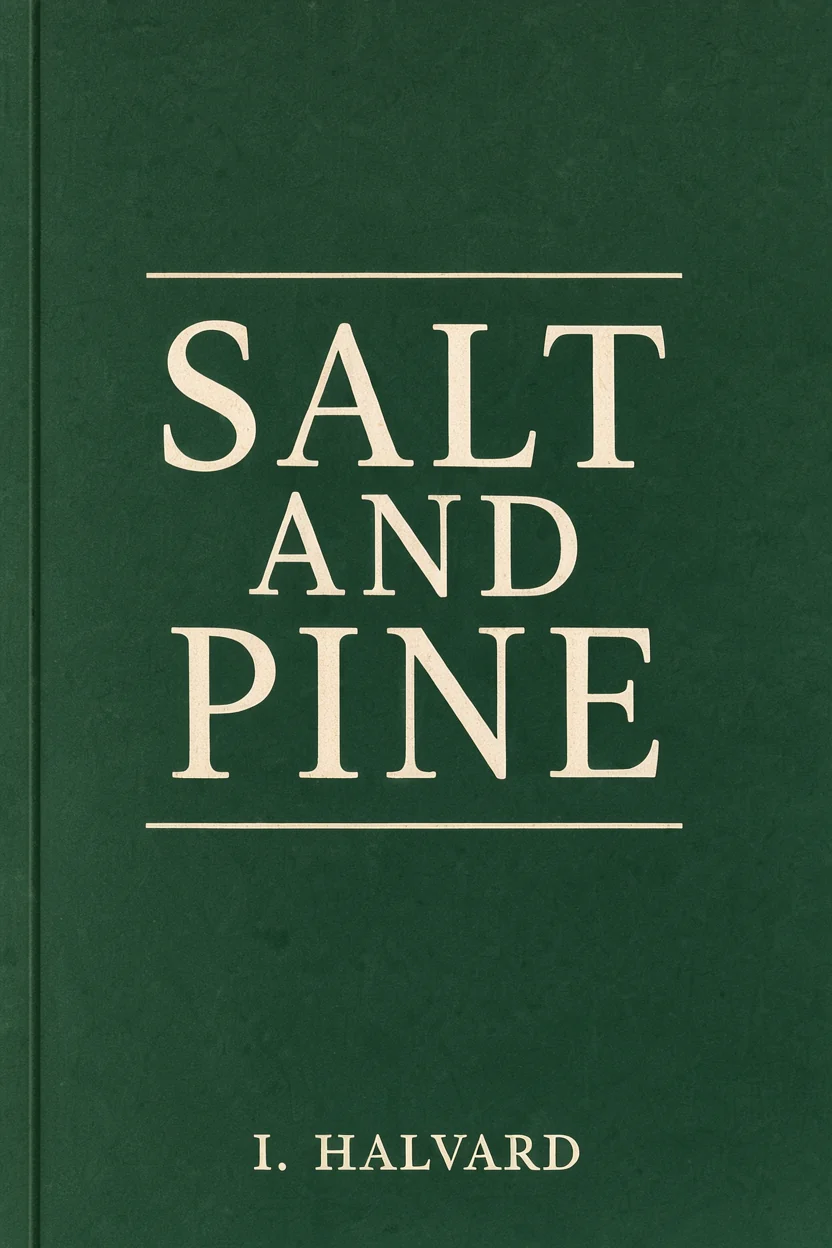
Book cover
Why it works
Describes a whole cover, then bans every extra element.
Prompt
Minimal book cover with the title "SALT AND PINE" in a tall serif typeface centred on a deep forest-green field, a thin cream rule above and below the title, the author name "I. HALVARD" in small caps at the bottom, flat printed look, no other elements.
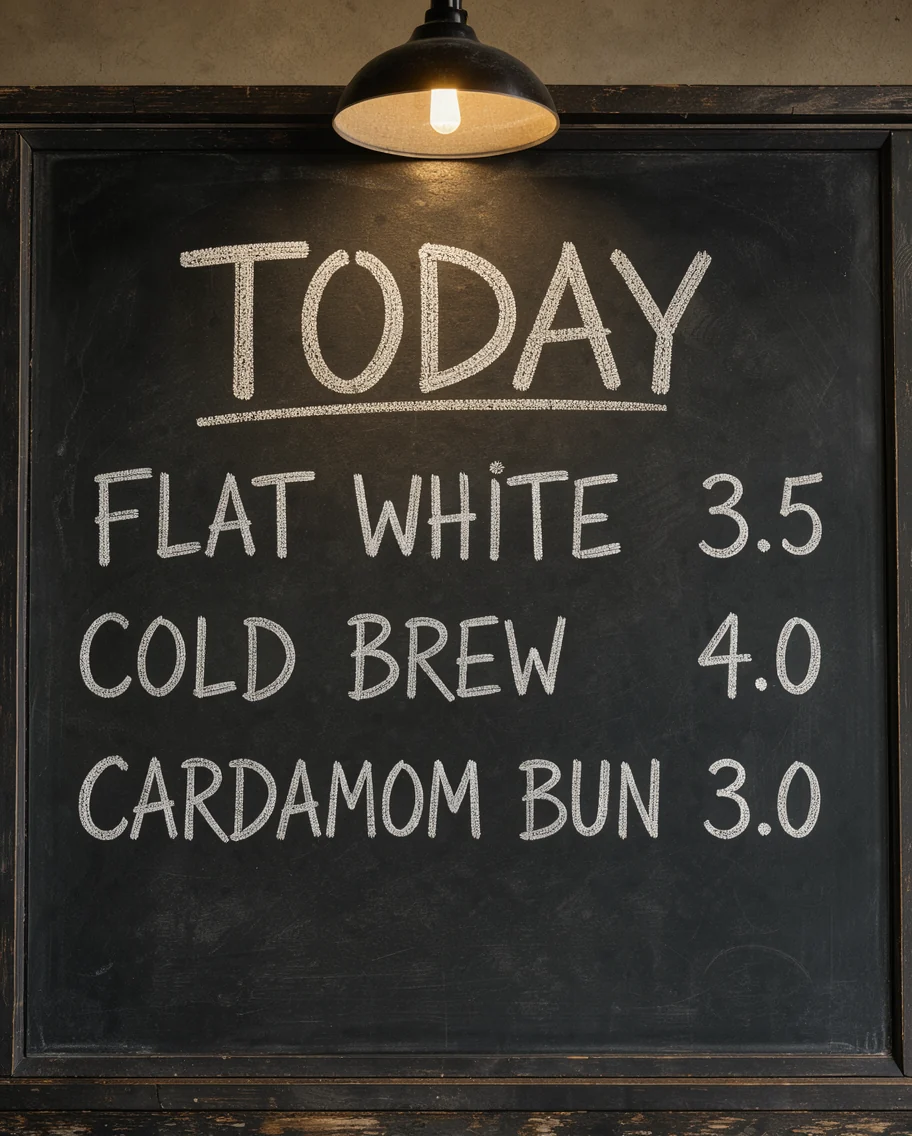
Café menu board
Why it works
Short quoted lines, a straight-on view, one overhead light.
Prompt
Café menu board photographed straight on, dark chalkboard with the heading "TODAY" in white chalk capitals, a short list below reading "FLAT WHITE 3.5", "COLD BREW 4.0", "CARDAMOM BUN 3.0", hand-lettered chalk look, warm pendant light from above.
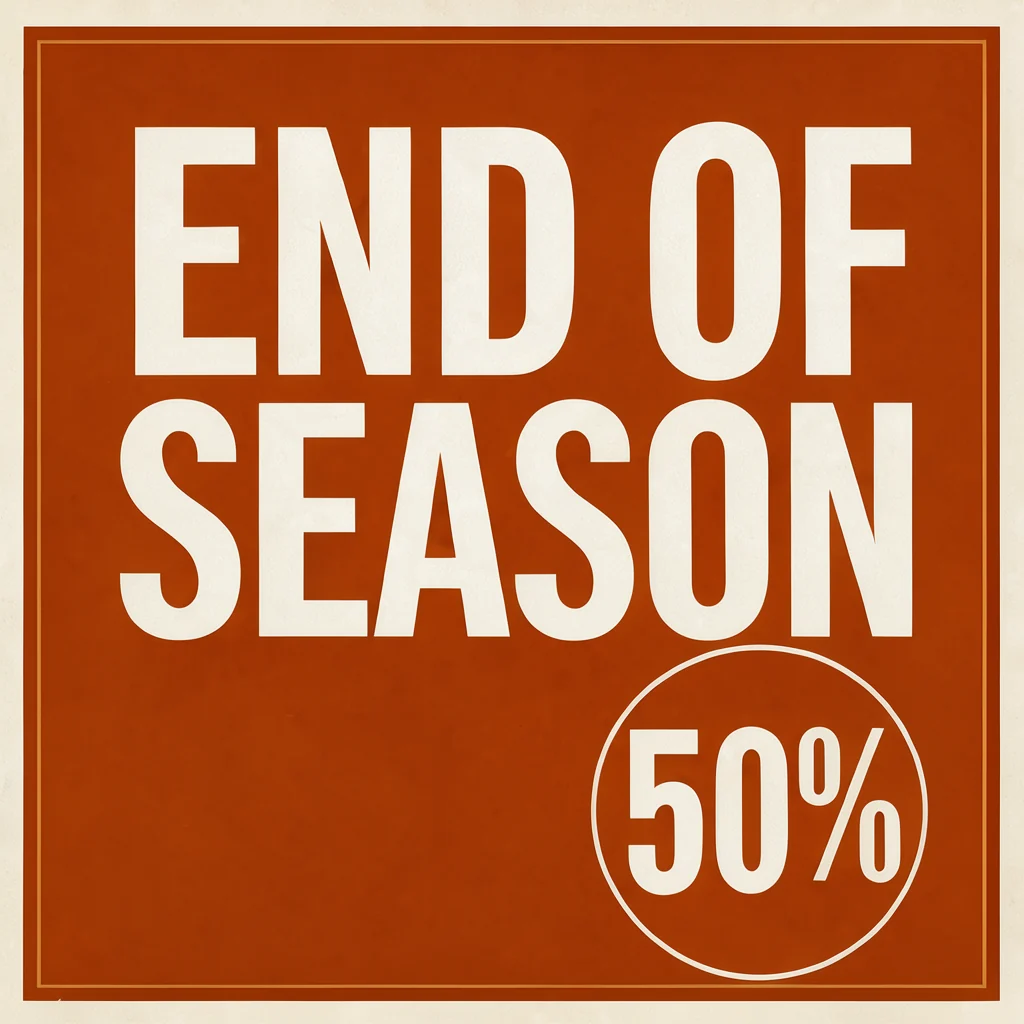
Sale banner
Why it works
Words, field colour and where the number sits.
Prompt
Retail sale banner, flat graphic design, the words "END OF SEASON" in bold condensed white capitals across a deep rust-orange field, a thin cream border, the figure "50%" in a large circle at the lower right, no photography, print-ready poster.
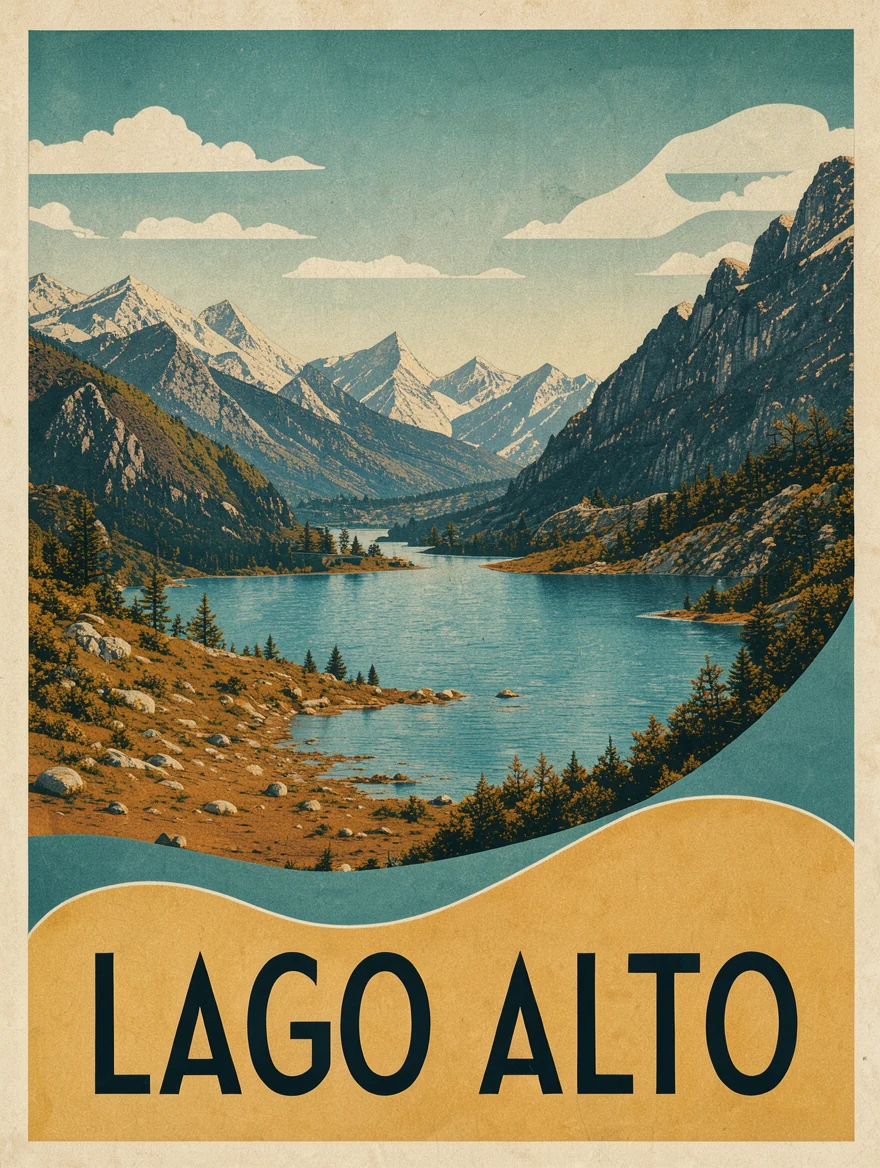
Travel poster
Why it works
Screen-print style and a cream band keep the lettering legible.
Prompt
Vintage travel poster of a mountain lake, flat screen-print style, the destination name "LAGO ALTO" in a bold art-deco letterform in a cream band at the bottom, layered teal and ochre shapes, subtle paper texture.
Portraits
Editorial and candid pictures of people. Name who is in frame, what they wear, where they stand and which side the light comes from.
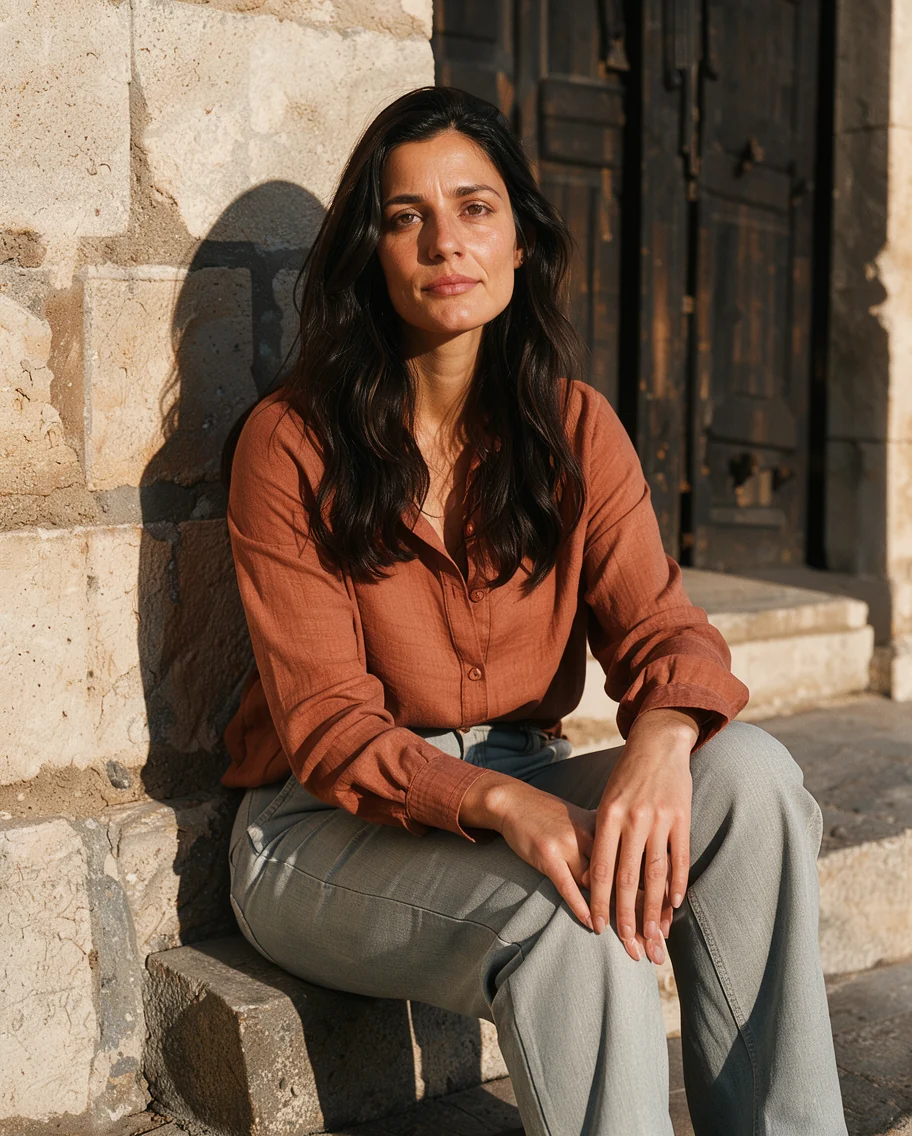
Linen shirt portrait
Why it works
Hard sun and a deep wall shadow: the look soft light cannot give.
Prompt
Editorial portrait of a woman in her thirties with long dark hair and a rust-coloured linen shirt, sitting on a stone step in southern Italy, hard afternoon sun from the right, deep shadow on the wall behind her, 85mm lens, Kodak Portra film colour.
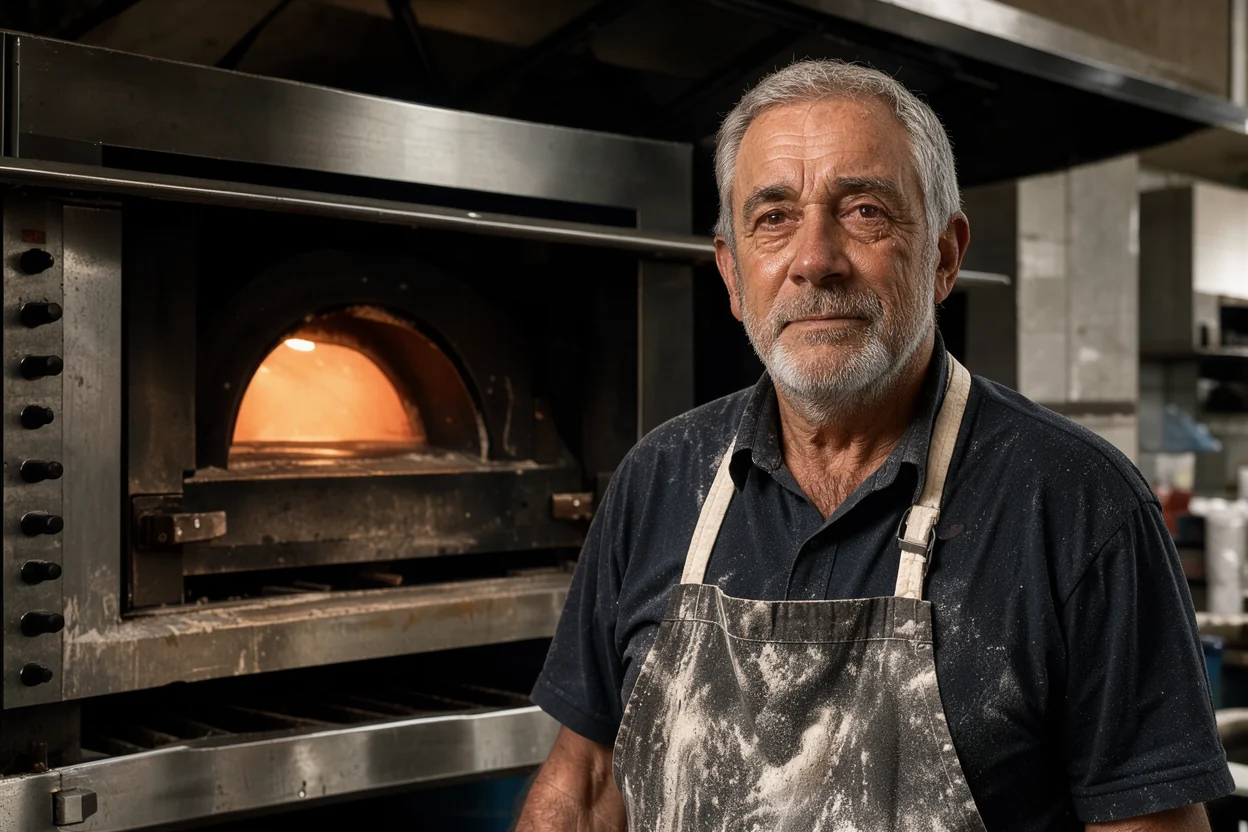
Baker at the oven
Why it works
Keeping the workplace in frame turns the oven light into the story.
Prompt
Environmental portrait of a baker in his fifties with grey stubble and a flour-dusted apron, standing in front of a steel oven, warm oven light on his face, dark kitchen behind, medium format look, shallow depth of field.
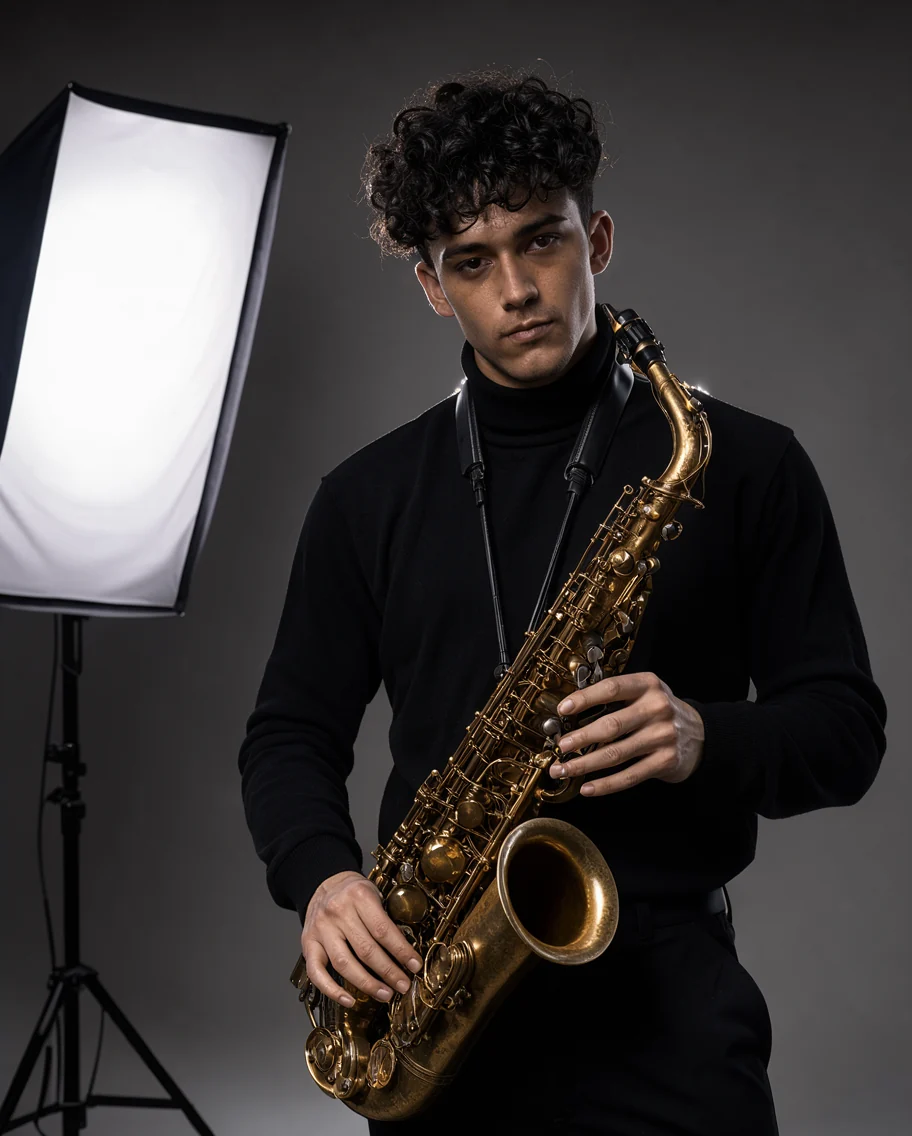
Musician with saxophone
Why it works
Softbox, named backdrop and rim light keep a studio portrait from going flat.
Prompt
Studio portrait of a young musician holding a saxophone, black turtleneck, a single softbox from the left against a dark grey seamless background, rim light on the shoulder, moody contrast, 105mm lens.
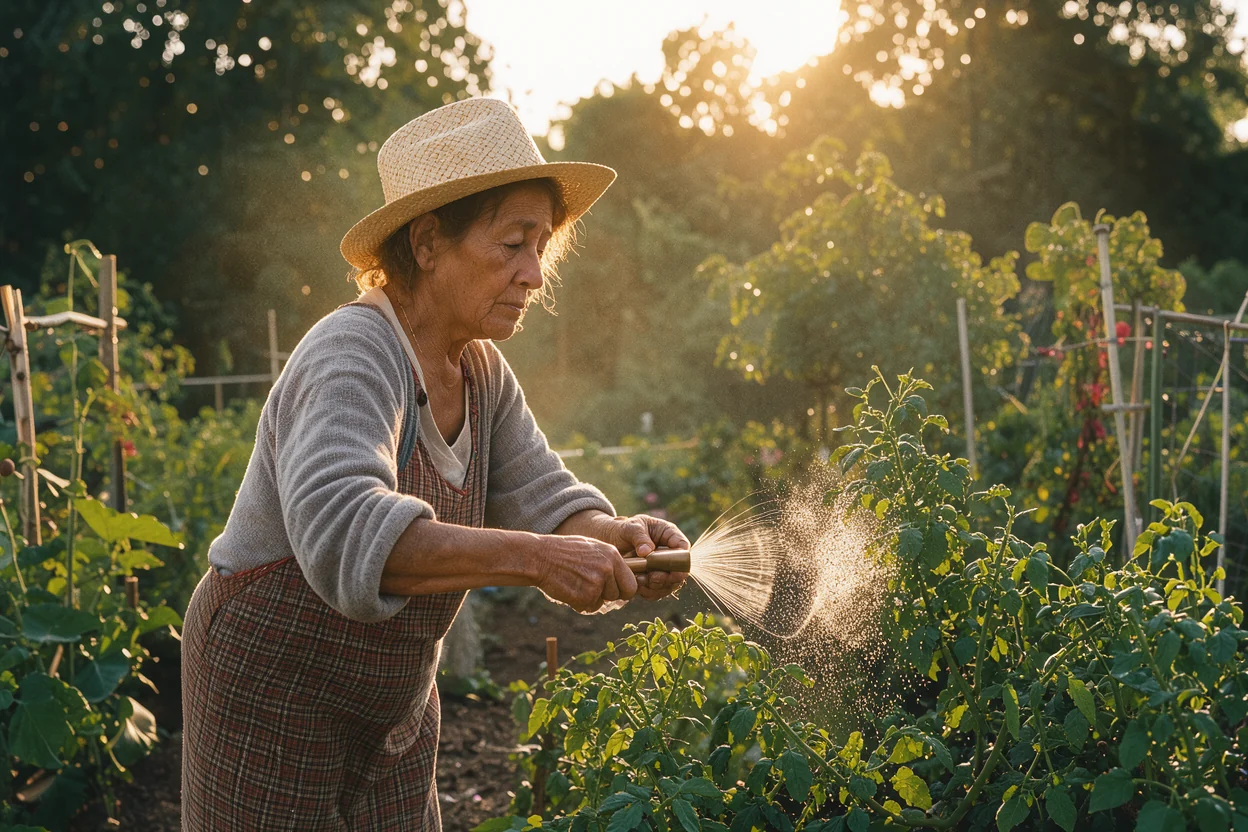
Watering the garden
Why it works
Backlight, haze and grain separate a candid frame from a posed one.
Prompt
Candid photograph of an older woman in a straw hat watering tomatoes in a kitchen garden, late afternoon backlight through the leaves, warm dust haze, film grain, 50mm lens, natural colour.
Interiors and architecture
Rooms, buildings and wide views. Name the materials and the time of day, and ask for straight verticals.
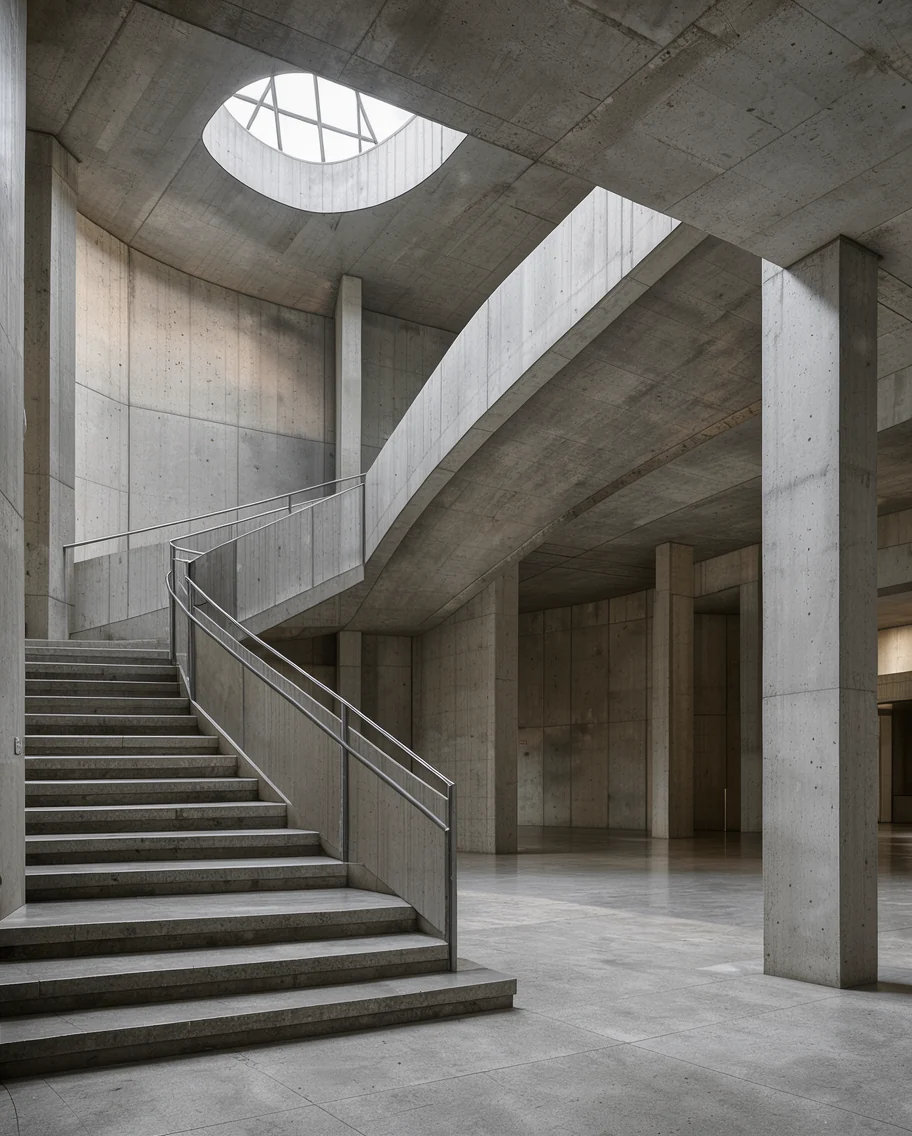
Brutalist lobby
Why it works
"No people" lets the geometry work; a warm tint stops concrete reading blue.
Prompt
Architectural photograph of a brutalist concrete lobby, a wide staircase sweeping up the left side, a single round skylight above, cool daylight, straight verticals, no people, monochrome feel with a faint warm tint.
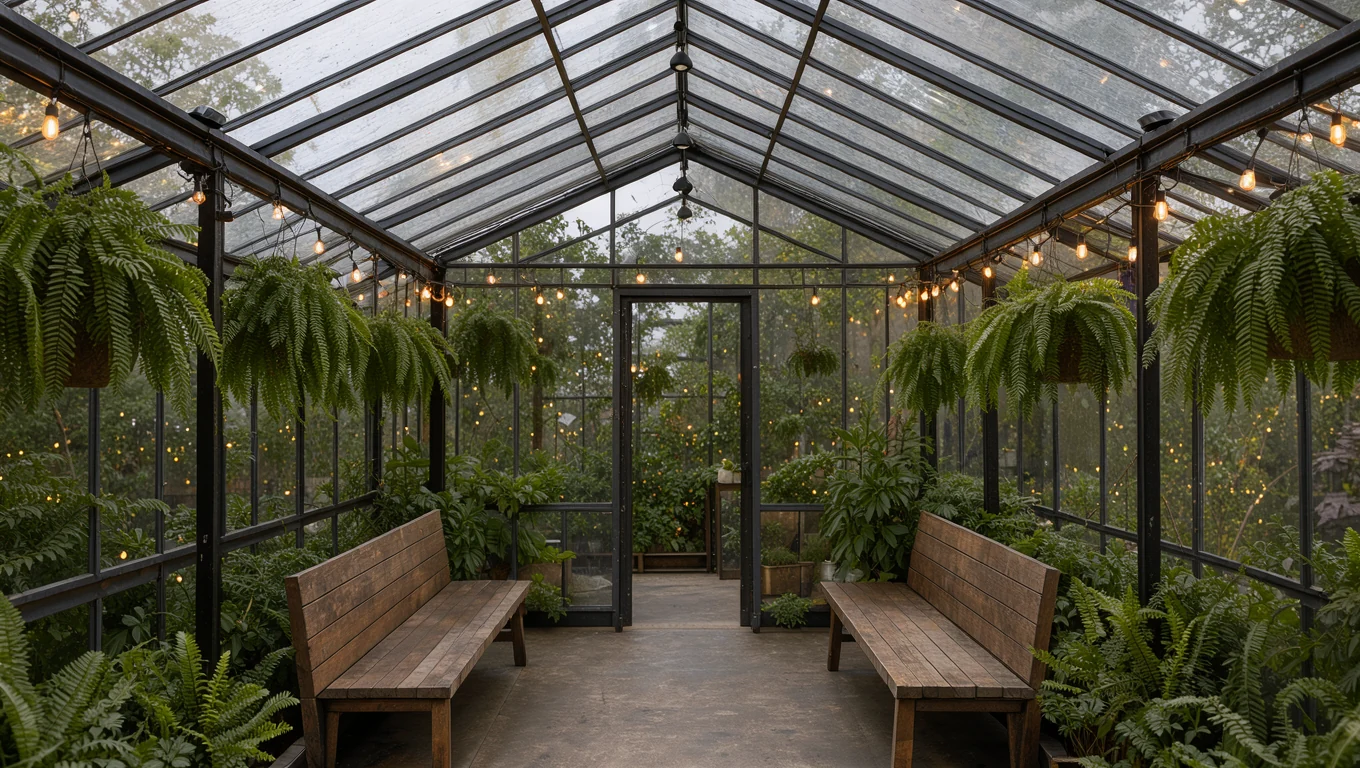
Greenhouse café
Why it works
Glazing, benches and string lights give the room three depth layers.
Prompt
Interior photograph of a small greenhouse café, iron frames and hanging ferns, wooden benches, warm string lights, soft overcast daylight through the glass roof, straight verticals, architectural photography.
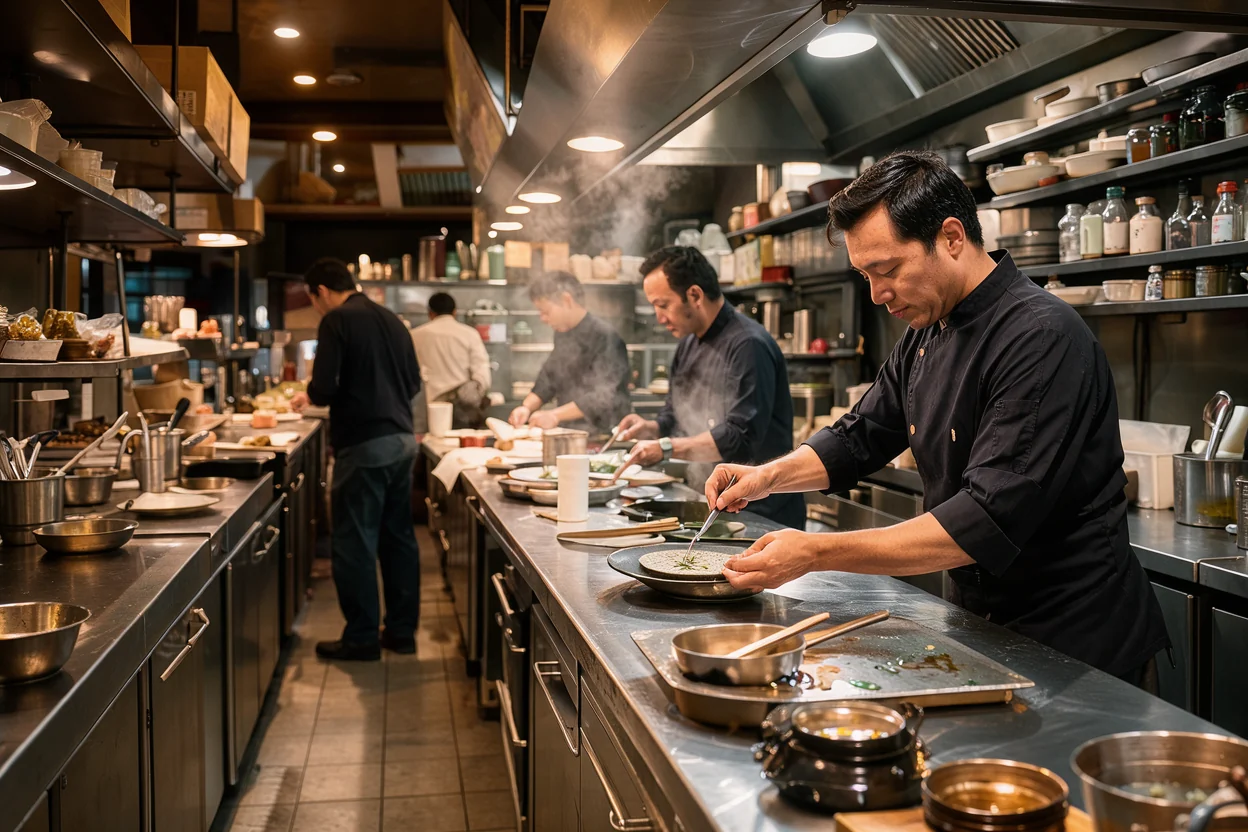
Restaurant kitchen at night
Why it works
Warm task lighting, steam and shallow focus turn service into a documentary frame.
Prompt
Night interior of a narrow restaurant kitchen in service, stainless steel counters, a chef's hands plating at the pass, warm task lighting, steam in the air, shallow depth of field, documentary style.
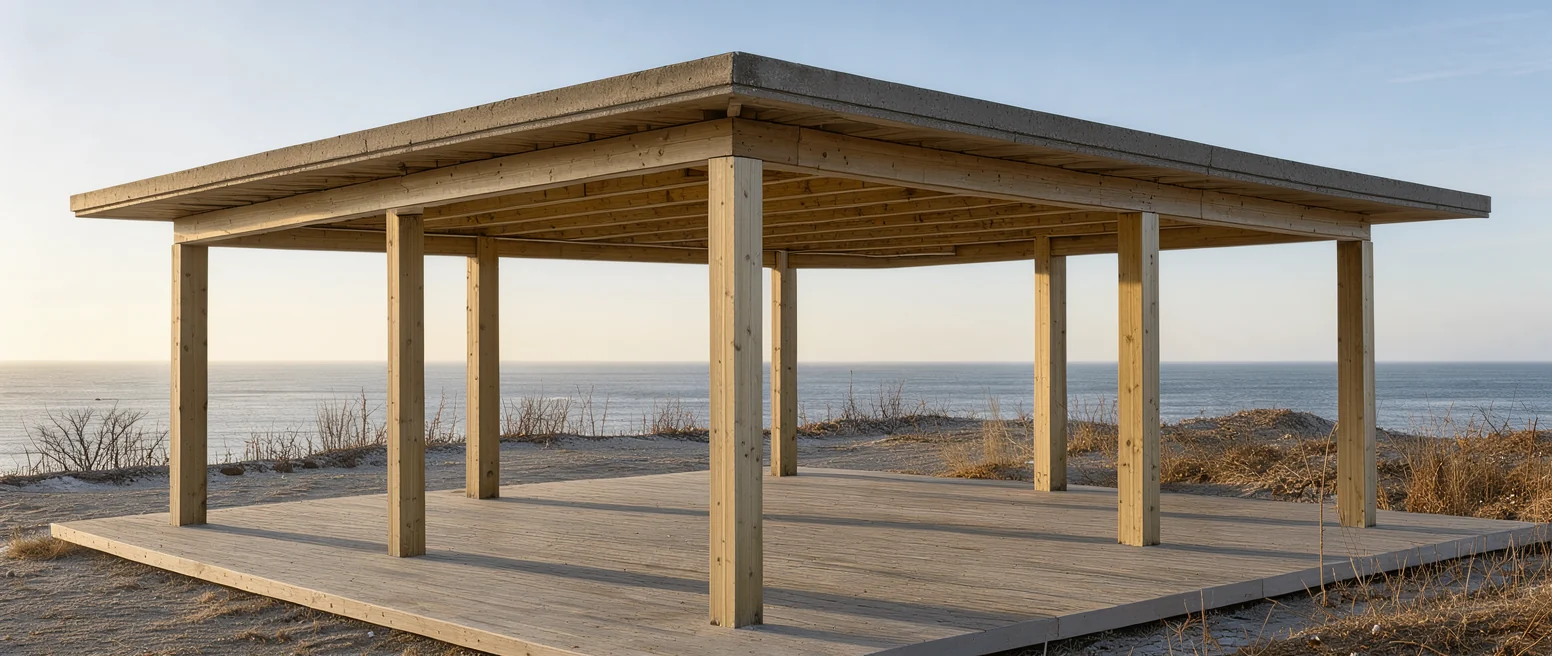
Coastal pavilion
Why it works
A 21:9 frame with long shadows decides where the horizon sits.
Prompt
Wide photograph of a coastal lookout pavilion, pale timber columns and a thin concrete roof, empty, low winter sun casting long shadows across the deck, ocean horizon behind, architectural photography, straight verticals.
Illustration
Flat vector, storybook and botanical styles. Name the palette and the medium, and add "no text" to keep the artwork wordless.

Hot-air balloon festival
Why it works
"Image only, no text" keeps the artwork clean and the sky empty.
Prompt
Flat vector illustration of a hot-air balloon festival at dawn, five balloons at different heights, peach and indigo palette, simple geometric hills, long soft shadows, subtle paper grain, children's book illustration. The top third is empty cream sky. Image only, no text, no letters, no typography, no watermark.
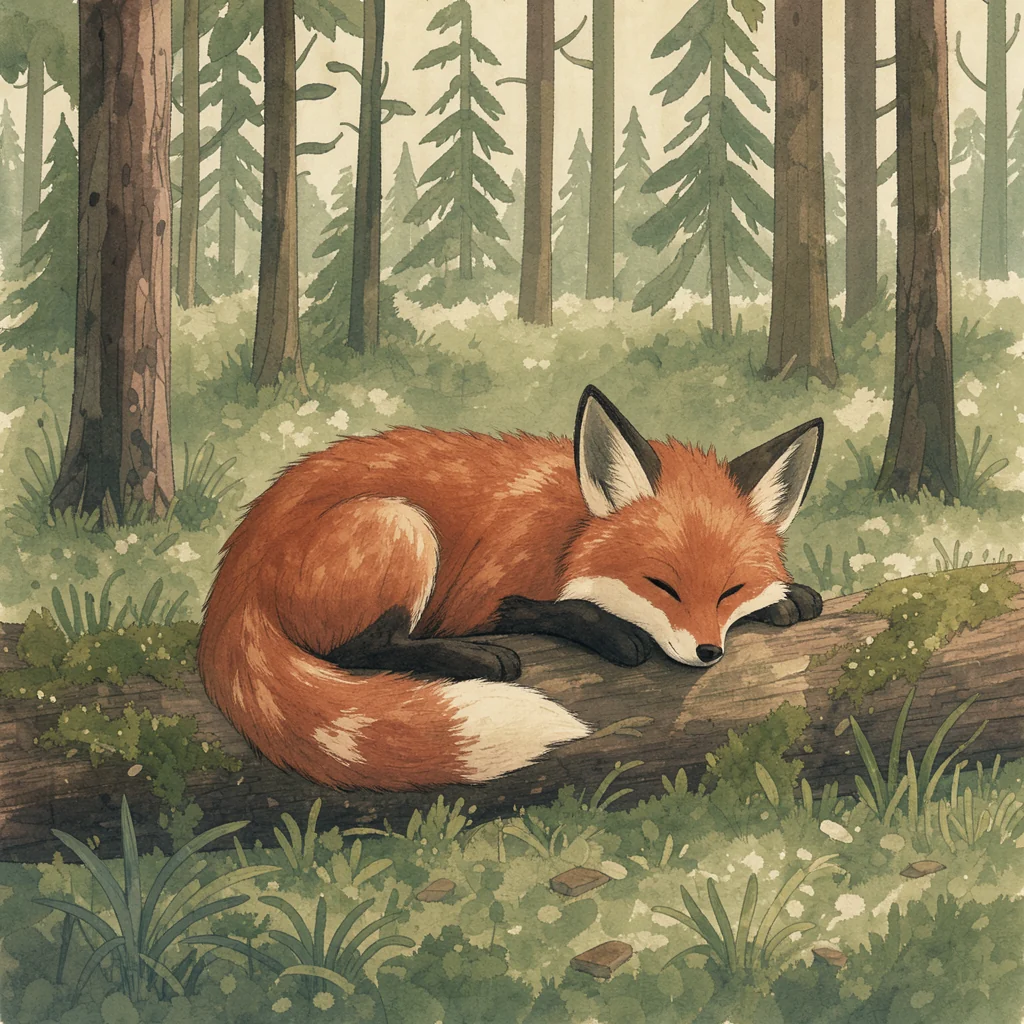
Sleeping fox
Why it works
Naming gouache and simple shapes sets the medium; dappled light does the rest.
Prompt
Storybook illustration of a red fox curled asleep on a mossy log in a pine forest, muted greens and russet, soft dappled light, hand-painted gouache texture, simple shapes, no text.
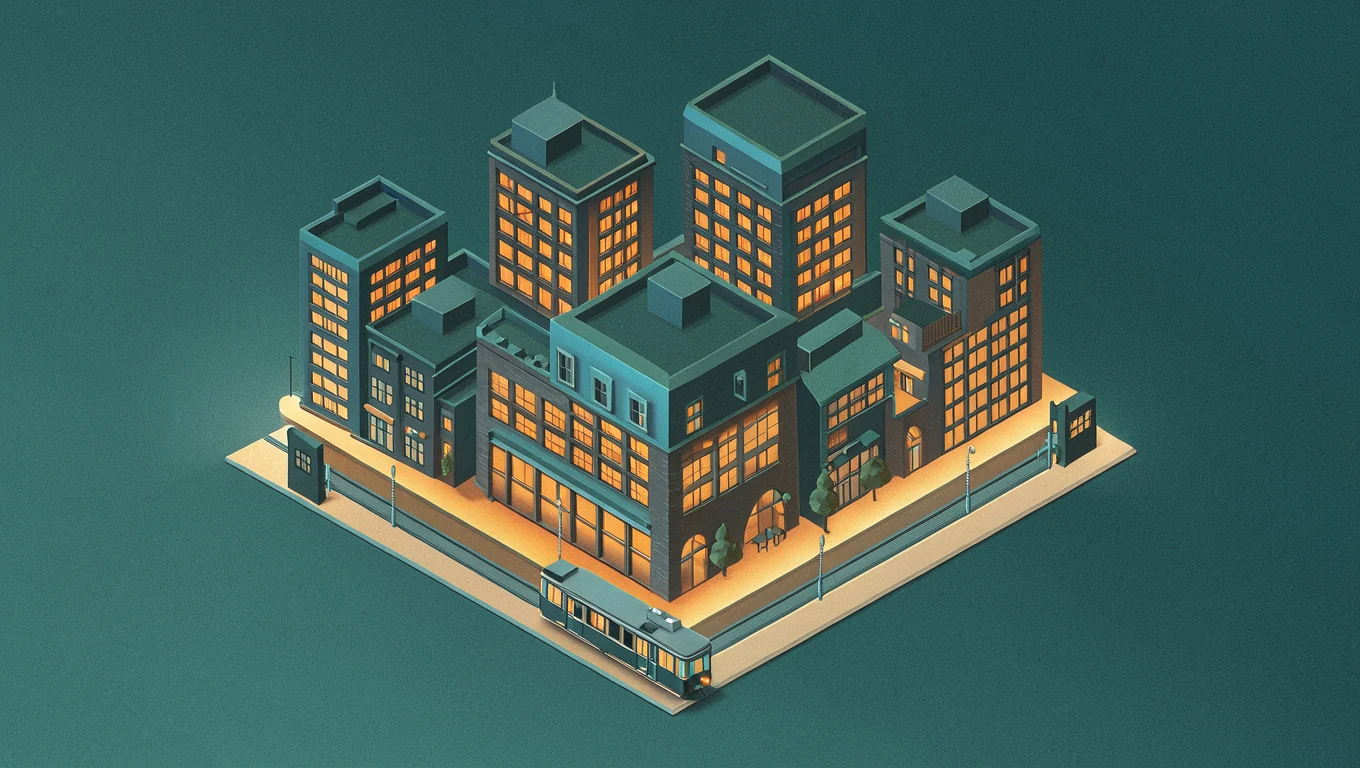
City block at night
Why it works
An isometric view and a fixed palette make a series repeatable.
Prompt
Flat isometric illustration of a small city block at night, warm windows, a tram crossing the front, teal and amber palette, clean geometric shapes, soft grain, no text, no letters.
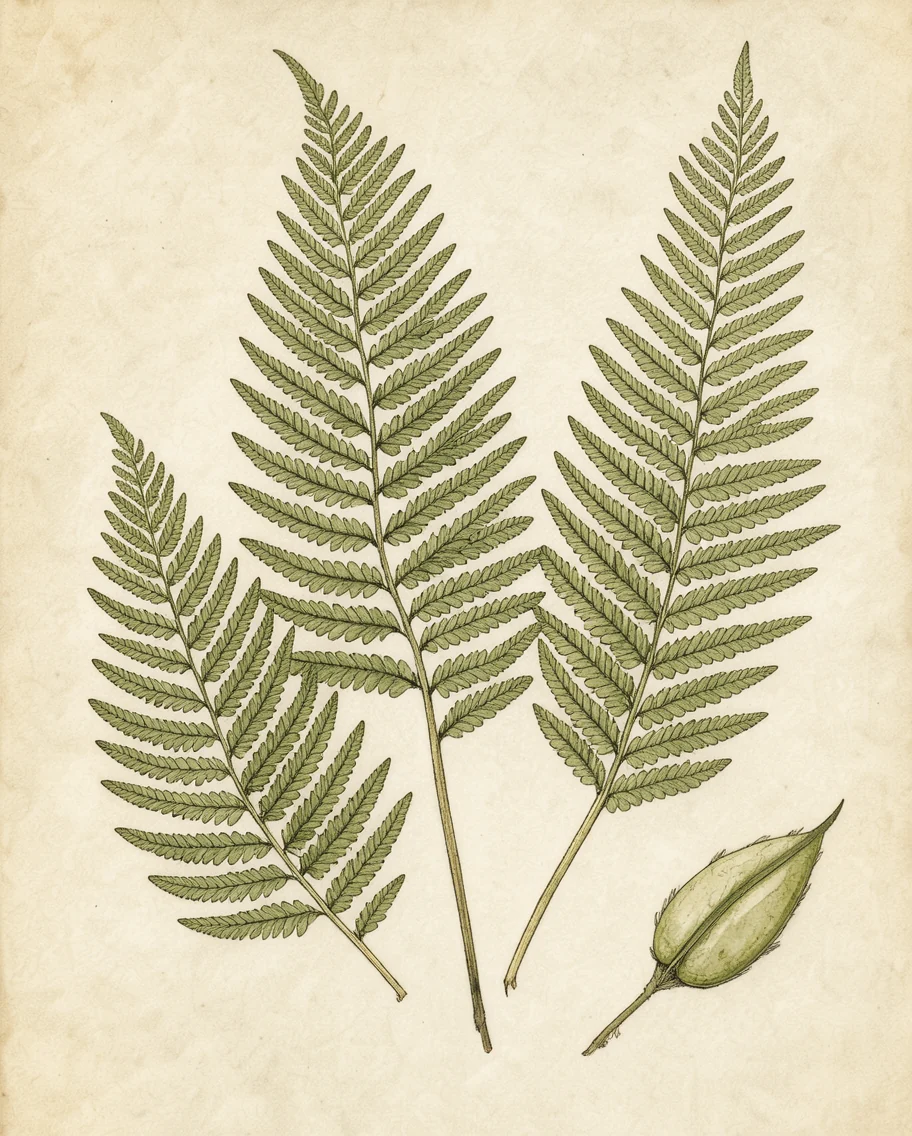
Botanical plate
Why it works
Ink linework and watercolour washes set the style; "no text" keeps it a plate.
Prompt
Botanical illustration sheet of three fern fronds and one seed pod, fine ink linework with muted green watercolour washes, arranged on aged cream paper, scientific plate style, no text.
Photo editing
Four instructions that change a picture you already have. Attach your own image, name it <ref_image_1>, and end by saying what must stay the same.
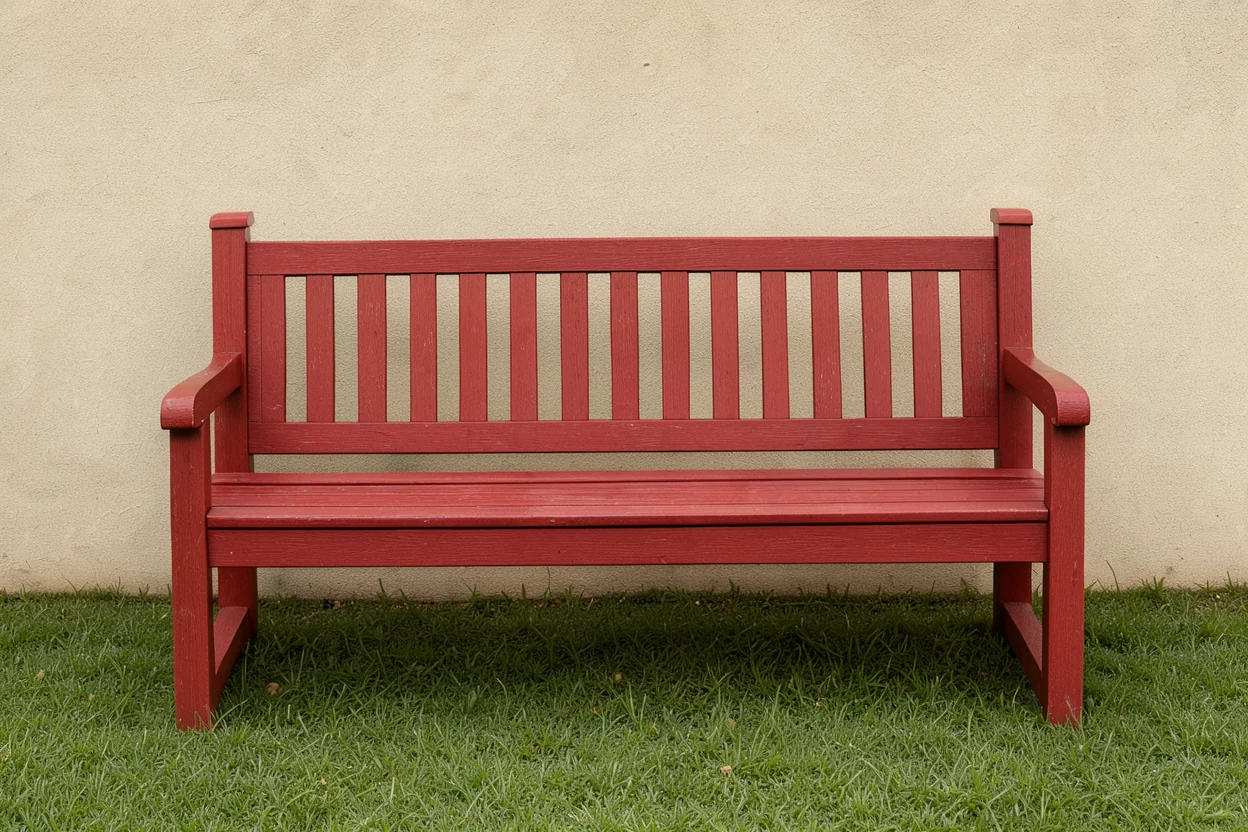
Reference image 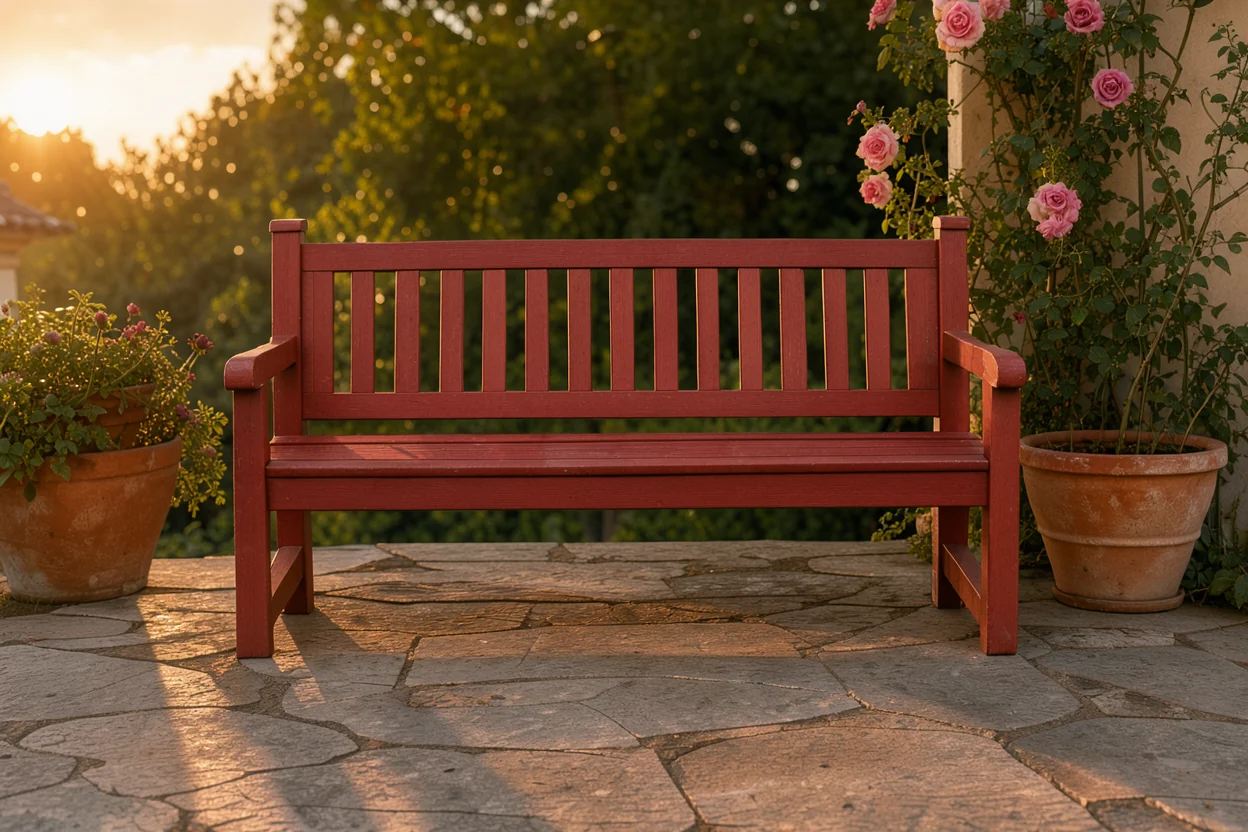
Result Bench onto a patio
Why it works
One instruction, one new setting, and a list of what must not change.
Prompt
Move the bench from the first reference image onto a stone patio at golden hour, warm low light from the left, terracotta pots and a climbing rose behind it, keep the bench's shape and red colour unchanged.
Reference image 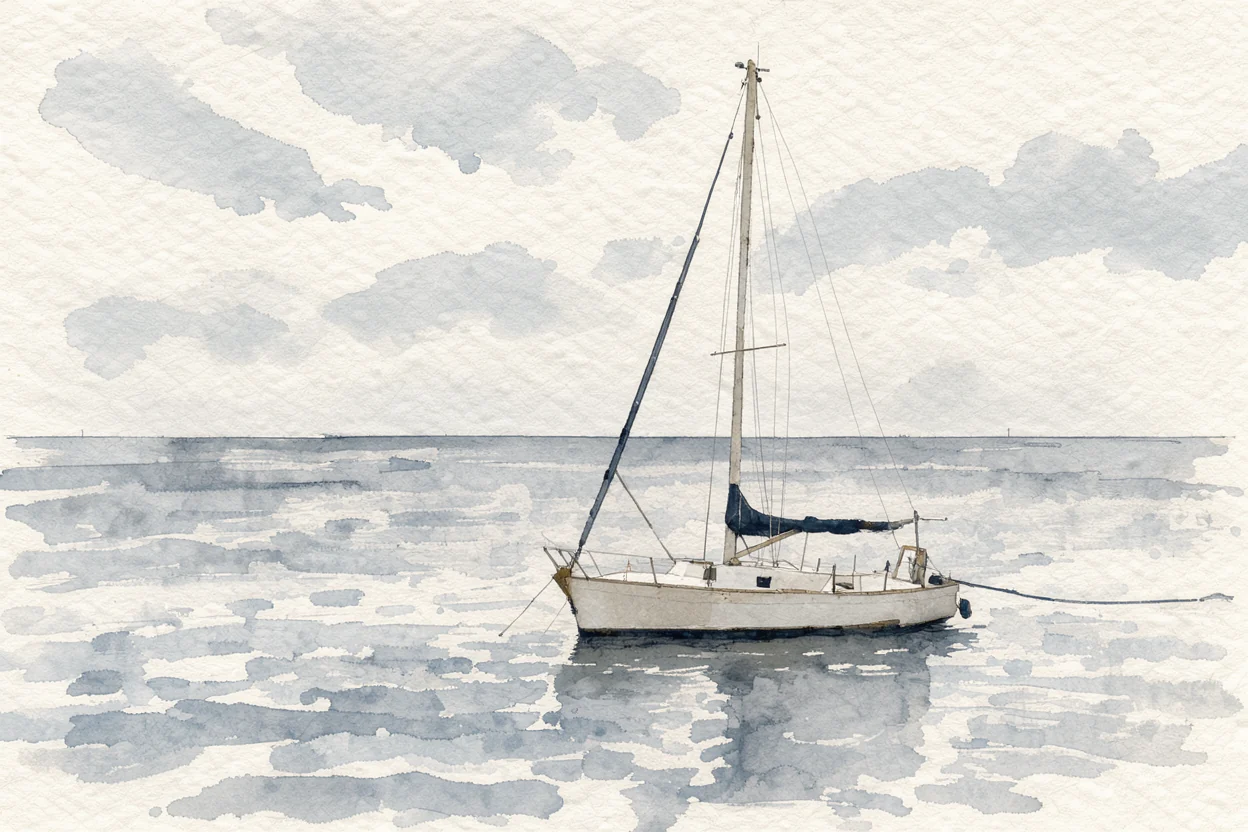
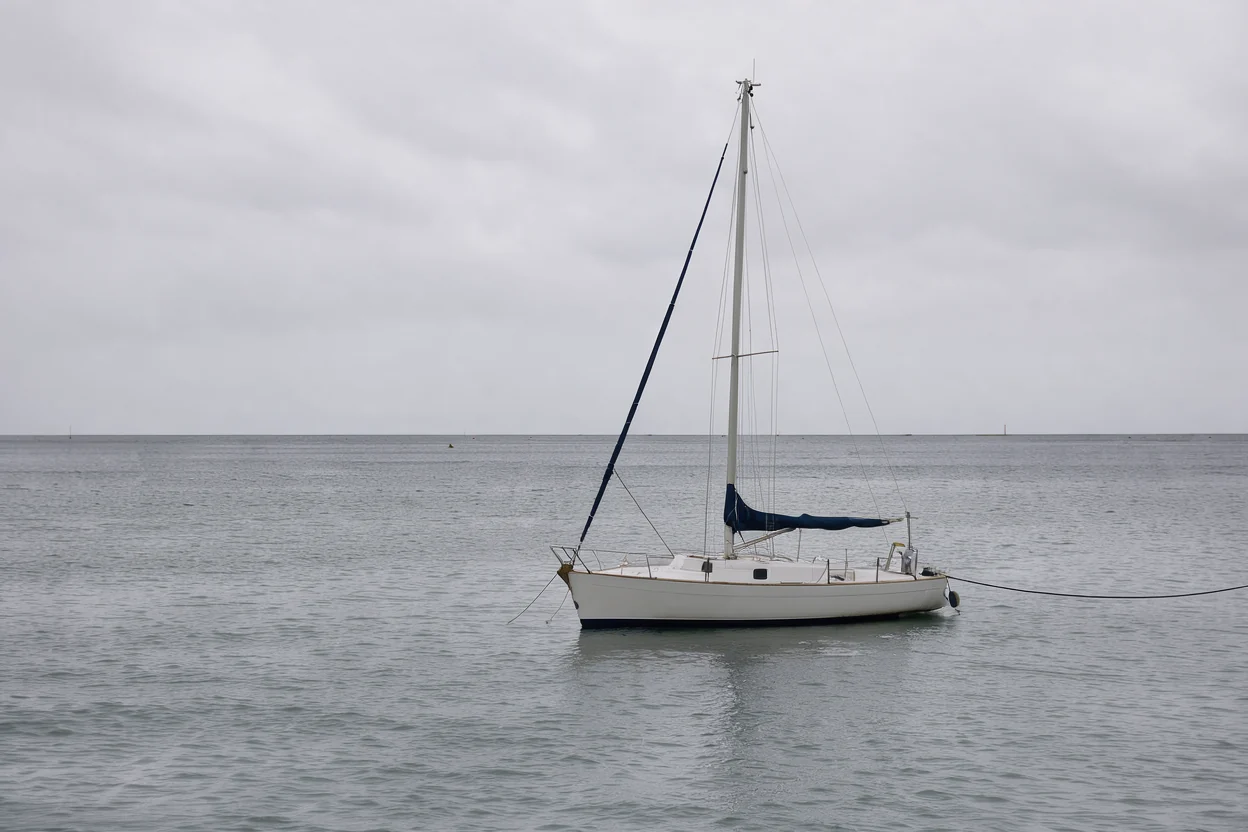
Result Boat as an ink sketch
Why it works
The reference supplies the drawing, the prompt supplies the medium.
Prompt
Restyle the photograph of the boat from the first reference image as a loose ink-and-wash illustration on textured paper, keep the boat's shape, mast and position unchanged, muted blue-grey palette.
Reference image 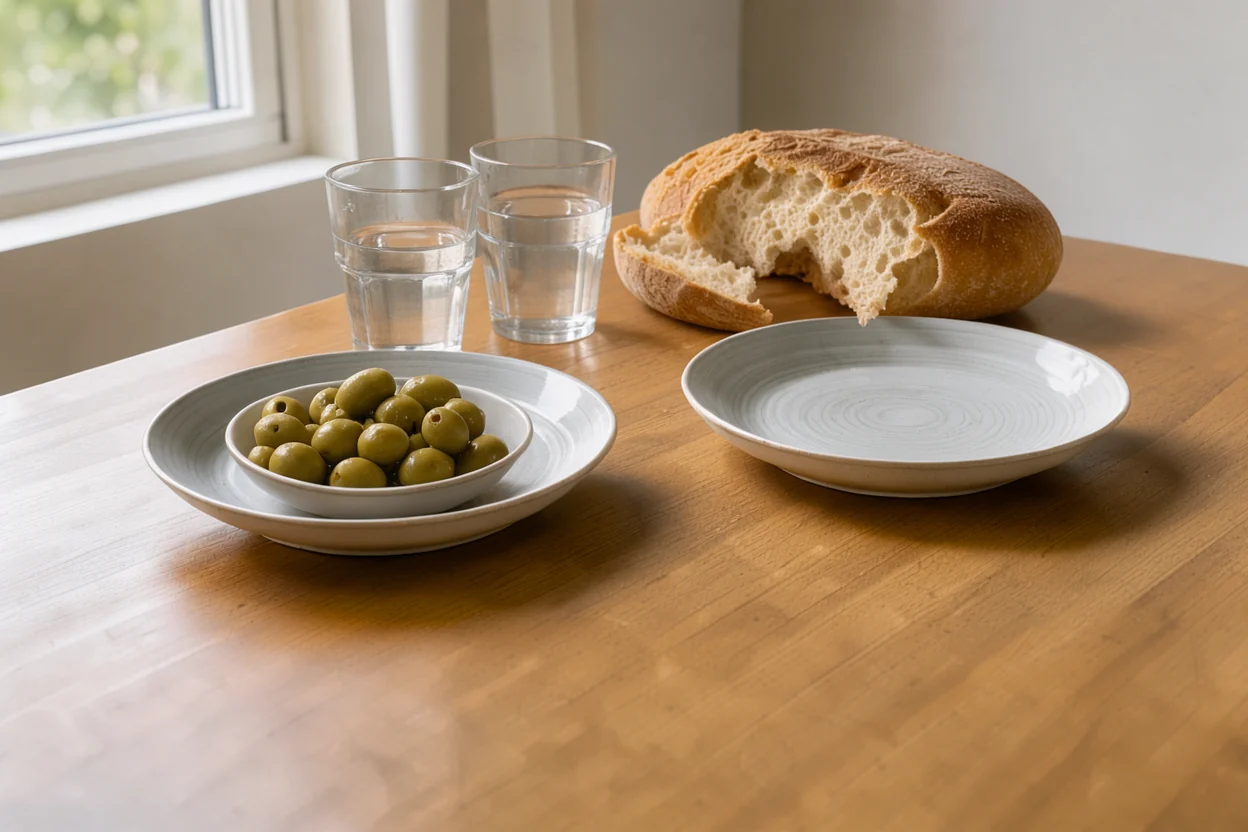
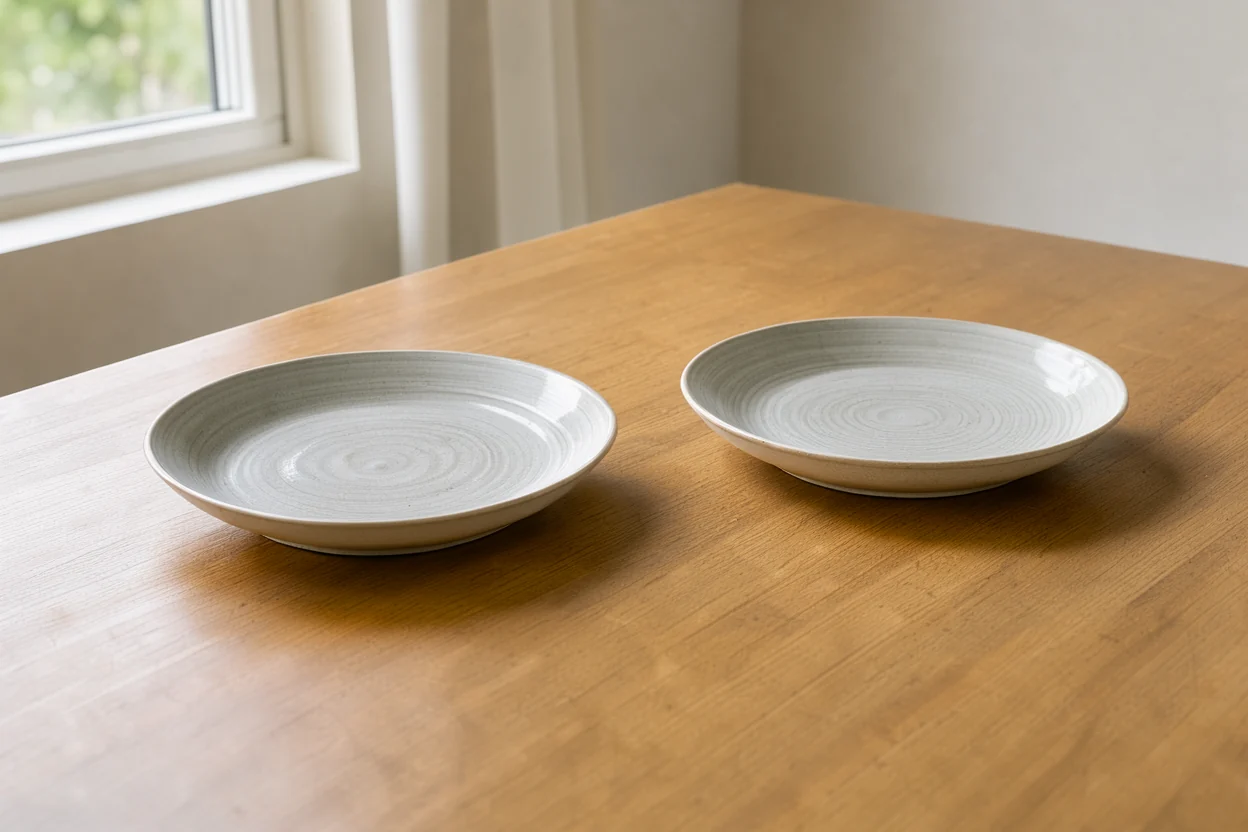
Result Lay the table
Why it works
Names each added object and repeats what stays unchanged.
Prompt
Add a bowl of green olives, a torn loaf of bread and two glasses of water to the table in the first reference image, keep the table, the plates, the light and the shadows unchanged.
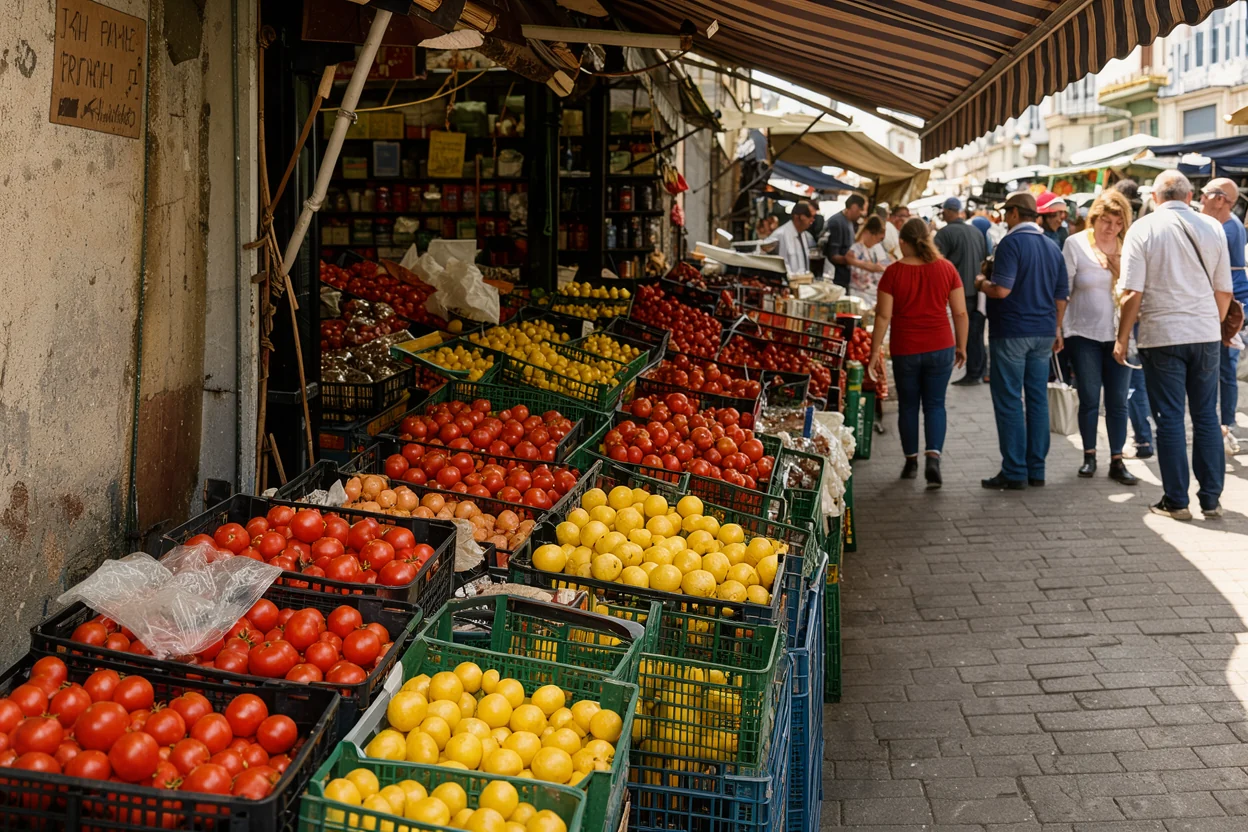
Reference image 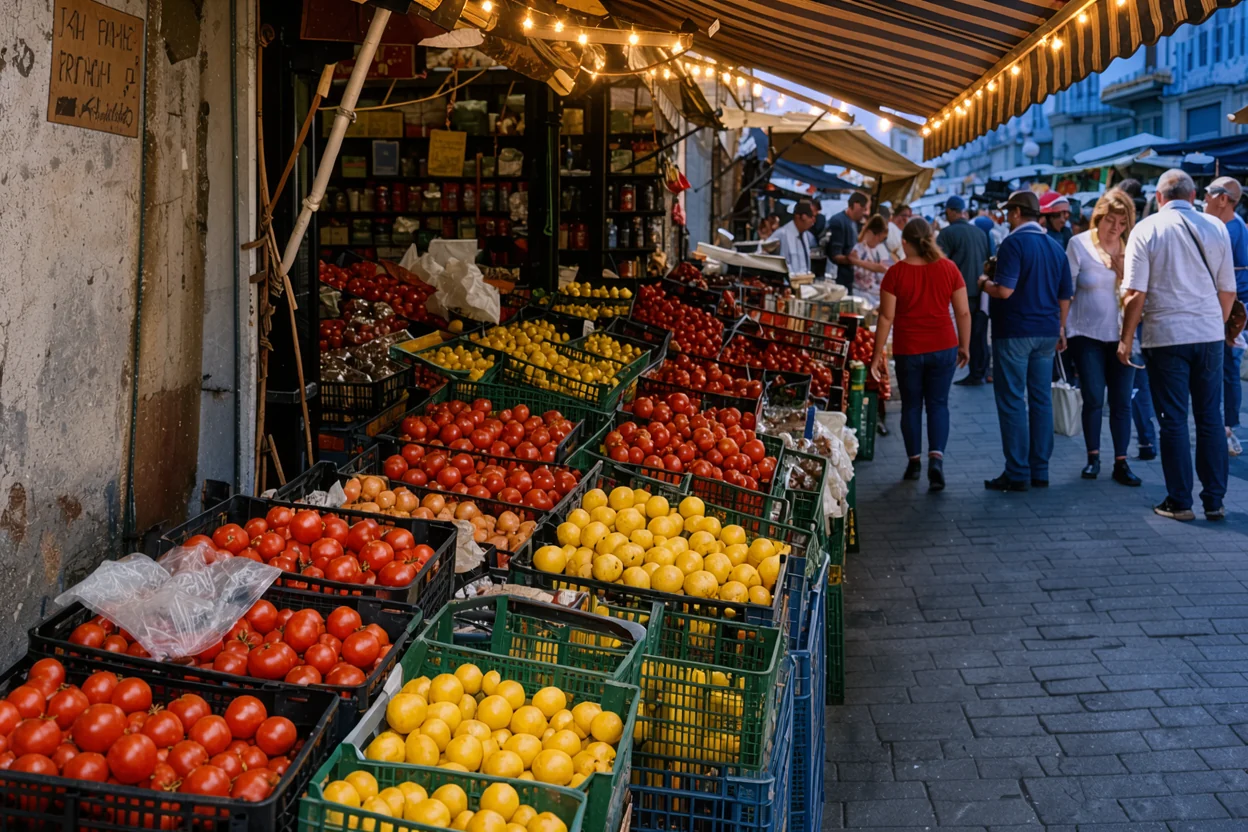
Result Market at blue hour
Why it works
Changing the time of day is clean: the composition is already there.
Prompt
Change the time of day in the photograph of the market stall from the first reference image to blue hour, add warm string lights above the awning, keep the stall, the crates and the produce unchanged.
Prompt questions
Why are the prompt examples in English?
They are the exact text that produced the images above, kept word for word so every example stays reproducible. Write yours in any language, but keep the scene description complete: short prompts come back generic.
How long should a FLUX 3 Klein prompt be?
Long enough to cover subject, framing, light and material. The examples here run from about 30 to 45 words and still describe a single picture. A five-word prompt leaves the model to invent the rest.
Will the same prompt give me the same image twice?
No. Each generation starts from different noise, so framing and detail move between runs even with identical text. The examples here are single 1K outputs, which is why a prompt is worth running twice.
Can I use these prompts with another image model?
The shape transfers — subject, framing, light, material — but text rendering and reference handling differ between models, so expect to adjust the wording.
How many reference images do the editing prompts use?
One each. This generator accepts up to three attached images, addressed in the prompt as <ref_image_1> to <ref_image_3>. The open-weight model takes up to ten references and supports bounding boxes for placement; this online version takes three.
Run any prompt from this page
Open the generator with FLUX 3 Klein, paste a prompt from above, choose a ratio and generate. The four editing prompts need one image of yours attached first.